Hope begins with one step.
About Healthy Change 4 Life LLC

Your Healthy Changes Start Here
Wellness is built through the choices you make each day. Nourishing your body, moving in ways that fit your abilities, getting adequate rest, and creating healthy routines can all contribute to your overall quality of life.
You don't have to change everything at once. Choose what matters most to you, start with one realistic change, and build from there.
Small choices. Consistent action. Lasting change.
Your journey is yours — make it one that helps you thrive

Nutrition Support
Brain & Nervous System

Your brain requires a steady supply of energy and nutrients to function. Healthy eating patterns can support brain health, concentration, nervous system function, and overall energy.
Everyday choices might include berries with breakfast, eggs and whole-grain toast, walnuts or fruit for a snack, leafy greens with lunch, or fish with vegetables for dinner. Variety matters more than finding one “brain food.”
Hormone Support
Food doesn't directly “balance” every hormone, but everyday eating patterns provide the energy and nutrients your body needs to produce, regulate, and respond to hormones.
Simple choices can include eating regular balanced meals, including protein with meals, choosing fiber-rich vegetables and fruits, incorporating whole grains when appropriate, choosing healthy fats, and drinking water throughout the day.
Everyday examples might look like eggs with whole-grain toast and fruit, Greek yogurt with berries, chicken with vegetables and brown rice, salmon with sweet potato and greens, or beans added to soups and salads.
Healthy eating patterns can also support areas closely connected with hormone wellness, including blood sugar regulation, metabolism, energy, digestion, and healthy weight.
Keep it simple:
Build your plate around nourishing foods, variety, and habits you can realistically maintain.
Liver Support
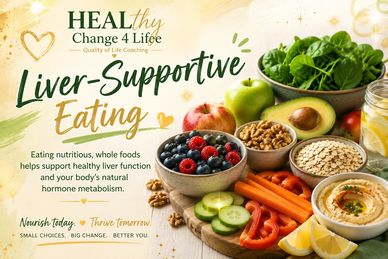
Your liver works every day to process nutrients, regulate blood sugar and fats, produce bile, metabolize hormones and medications, and help the body process and eliminate certain substances. Supporting liver health is less about a special “detox” food and more about your overall eating pattern.
Simple everyday choices include vegetables, fruits, whole grains, beans, fish, poultry, nuts, seeds, and other minimally processed foods. Meals can be very ordinary: oatmeal with berries, a vegetable-and-bean soup, chicken with roasted vegetables, or fish with brown rice and greens.
Healthy eating patterns that support metabolic health, blood sugar regulation, and healthy weight also matter to liver health.
Focus on nourishing foods, balanced meals, adequate hydration, and sustainable habits that support your body's normal liver functions.
Heart Health
Digestive & Gut Friendly

Heart-healthy eating focuses on an overall pattern rich in vegetables, fruits, whole grains, beans, nuts, seeds, fish, and other minimally processed foods, while being mindful of excess sodium, saturated fat, and highly processed foods.
Simple changes count: add vegetables to dinner, choose fruit for a snack, use herbs and spices for flavor, cook more meals at home, or include beans or fish during the week.
Blood Sugar & Metabolic
Digestive & Gut Friendly
Digestive & Gut Friendly
What and how you eat can influence blood glucose and energy throughout the day. Meals containing protein, fiber-rich carbohydrates, vegetables, and healthy fats can help create a more balanced eating pattern.
Think simple combinations: apple with peanut butter, eggs with whole-grain toast, chicken with vegetables and brown rice, Greek yogurt with berries, or beans added to soup or salad.
Digestive & Gut Friendly
Digestive & Gut Friendly
Digestive & Gut Friendly
Your digestive system helps break down food and absorb the nutrients your body needs. A varied eating pattern containing fiber-rich plant foods and adequate fluids supports normal digestive function.
Everyday options include oatmeal, vegetables, fruit, beans, lentils, whole grains, yogurt or other foods with live cultures when tolerated, and plenty of water. Individual digestive needs vary, so foods that work well for one person may not work for another.
Energy & Mitochondrial
Energy & Mitochondrial
Your cells—including your mitochondria—use nutrients from food to help produce the energy needed for everyday life. Rather than looking for one special “energy food,” focus on providing your body with consistent nourishment and a variety of nutrients.
That can be as ordinary as eating breakfast, adding protein to meals, choosing whole foods more often, drinking enough water, and avoiding going long periods without eating when that leaves you drained or overly hungry.
Immune System
Energy & Mitochondrial
The immune system depends on adequate nutrition, but no single food can “boost” immunity or prevent illness. A varied eating pattern helps provide the protein, vitamins, minerals, and other nutrients involved in normal immune function.
Fill your kitchen with variety: colorful vegetables, citrus fruits, berries, beans, whole grains, eggs, fish, poultry, nuts, seeds, and other nutrient-rich foods
Healthy Aging & Muscle Support
Healthy Aging & Muscle Support
Maintaining good nutrition becomes especially important as we age. Adequate protein, energy, fluids, vitamins, and minerals help support muscle, bone health, strength, and everyday function.
Easy options include eggs at breakfast, yogurt with fruit, tuna or chicken at lunch, beans in soup, fish for dinner, or adding a protein-rich food to each meal. Nutrition and regular physical activity work together to support independence and quality of life.
Vitamin & Mineral Food Sources
Vitamin & Mineral Food Sources
Healthy Aging & Muscle Support
Vitamins and minerals perform many jobs throughout the body, and food provides them in combinations alongside protein, fiber, fats, carbohydrates, and other nutrients.
Instead of focusing on individual supplements, eat the rainbow and vary your foods: leafy greens, colorful vegetables, fruit, beans, whole grains, eggs, dairy or appropriate alternatives, fish, poultry, nuts, and seeds can all contribute different nutrients.
Food first. Variety matters.
Gluten & Celiac Nutrition
Vitamin & Mineral Food Sources
Gluten & Celiac Nutrition
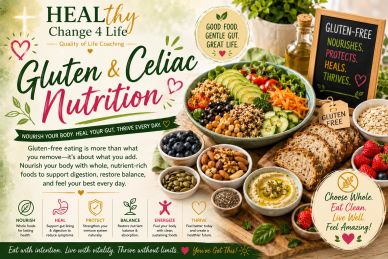
Gluten is a protein naturally found in wheat, barley, and rye. Most people do not need to avoid gluten, but people with diagnosed celiac disease require a strict gluten-free diet as part of medical management.
Naturally gluten-free foods include fruit, vegetables, potatoes, rice, beans, eggs, meat, fish, and many dairy foods. Anyone who suspects celiac disease should seek appropriate medical evaluation before starting a gluten-free diet, because removing gluten beforehand can interfere with diagnostic testing.
Autism Nutrition
Vitamin & Mineral Food Sources
Gluten & Celiac Nutrition

Nutrition support for autistic individuals should focus on adequate nourishment, individual preferences, sensory needs, and a positive relationship with food—not on trying to “treat” autism through diet.
Food textures, smells, temperatures, colors, routines, and presentation can affect what someone is comfortable eating. Helpful approaches may include offering familiar foods alongside new foods, keeping mealtimes predictable, respecting sensory preferences, and gradually increasing variety without turning meals into a battle.
When food choices are extremely limited, growth or nutrition is a concern, or swallowing/feeding difficulties are present, appropriate medical, dietetic, or feeding-specialist support may be needed.

Physical Activity Support
Physical Activity & Healthy Aging
Physical Activity & Healthy Aging

Physical activity is an important part of maintaining health, independence, and quality of life at every age. Everyday movement—such as walking, climbing stairs, gardening, stretching, carrying groceries, or playing with grandchildren—helps support strength, balance, flexibility, endurance, and mobility. Regular movement can help make daily activities easier, support healthy aging, and encourage both physical and emotional well-being.
Strength & Muscle
Physical Activity & Healthy Aging
Strength is used during ordinary life every day. Carrying grocery bags, lifting a laundry basket, getting up from a chair, climbing stairs, carrying a watering can, or putting groceries on a shelf all require muscle strength. Simple strengthening activities can help maintain the ability to do everyday tasks independently.
Balance & Fall Prevention
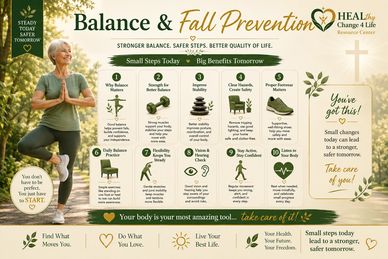
Balance helps you move confidently around your home and community. Simple activities may include practicing standing up from a sturdy chair, heel-to-toe walking near a stable surface, or balance exercises while holding a secure counter or chair for support. Keeping walkways clear, improving lighting, securing loose rugs, and wearing supportive footwear can also help create a safer environment.
Sit Less Move More

One of the simplest healthy changes is to break up long periods of sitting. Stand during a television commercial, walk around the house while you're on the phone, put away laundry one load at a time, stretch while dinner cooks, or get up periodically for a glass of water. A few minutes of movement here and there adds up.
Limited Mobility or Disability
Movement can be adapted to your body and your abilities. Options might include seated marching, gentle arm movements, reaching, ankle circles, seated stretches, light household activities, or moving different parts of the body while seated in a sturdy chair. The goal isn't to move like someone else—it's to find safe ways you can move.
Rest & Recovery
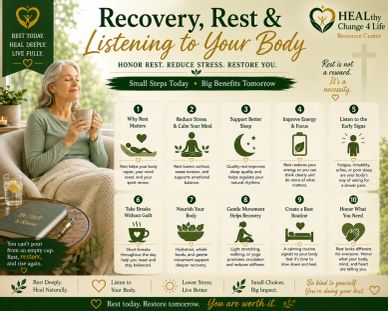
Being active doesn't mean pushing yourself every day. Taking a rest day, alternating more-active and less-active days, sitting down between household tasks, getting adequate sleep, or choosing gentle movement when you're tired can all be part of a healthy routine. Rest and recovery help make movement something you can continue over time.
Cardiovascular Heart Healthy
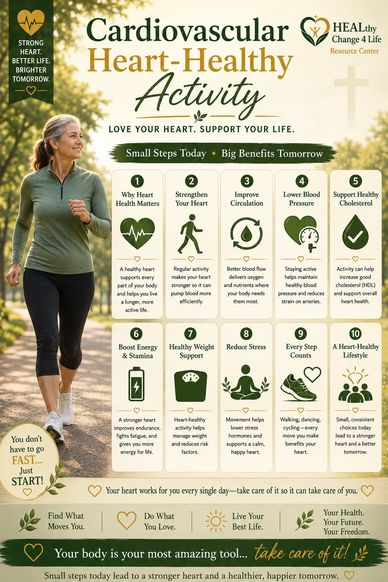
Heart-healthy movement doesn't require a treadmill. Taking a brisk walk, dancing around the house, walking while talking on the phone, gardening, doing household chores, or walking several laps around your home or yard can get your body moving. Choose activities you enjoy and build gradually according to your abilities.
Flexibility & Mobility
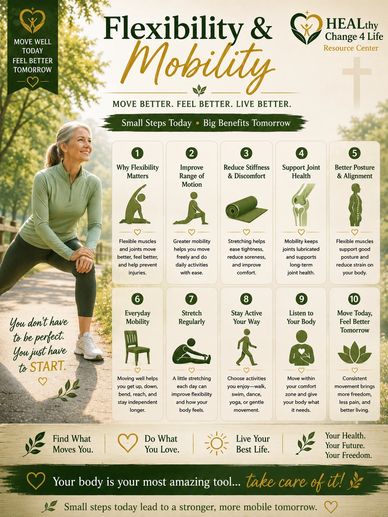
Mobility is part of ordinary movement. Reaching into a cabinet, bending to tie your shoes, turning to look behind you, getting dressed, reaching overhead, or gently stretching while watching television all use flexibility and range of motion. Regular gentle movement can help keep everyday activities comfortable and accessible.