Hope begins with one step.

Specialty Wellness Topics Questions & Answers
Connect the Dots References
Continue exploring with related wellness topics, educational articles, downloads, and trusted resources. Each reference is carefully selected to help you better understand how different aspects of health work together and support your quality of life. Educational resources that help you connect the dots between body systems, lifestyle habits, and overall quality of life.
Follow the links to discover related articles, wellness topics, and practical tools designed to support your learning journey.
peptide

Peptide Wellness
What are peptides, and what do they do in the body?
Peptides are small chains of amino acids that can act as messengers within the body. They are involved in communication between cells and can influence many biological processes, including metabolism, hormones, immune function, tissue repair, brain function, and cellular activity. Learning how peptide signaling works can help you better understand how different body systems communicate.
How are peptides connected to energy and metabolism?
Peptides participate in pathways involved in cellular energy, blood sugar, insulin signaling, appetite, and metabolism. Some peptide signals also communicate between the digestive system, brain, pancreas, and other tissues to help coordinate how the body responds to food and uses energy.
What is GLP-1, and how is it connected to appetite and weight?
GLP-1 is a naturally occurring peptide hormone involved in communication between the digestive system, pancreas, and brain. It helps influence blood-sugar regulation, insulin and glucagon signaling, stomach emptying, hunger, fullness, and food intake. Understanding GLP-1 can help explain why this pathway has become an important area of research involving metabolic health and body-weight regulation.
How are peptides connected to the brain, sleep, and stress?
Peptide signaling plays a role in communication throughout the brain and nervous system. Researchers study different peptides for their connections with cognition, memory, sleep, stress responses, emotional wellness, and nervous-system function.
How are peptides connected to muscles, joints, and tissue recovery?
Peptide research includes biological processes involved in muscle maintenance, connective tissue, collagen, tendons, ligaments, cellular repair, and physical recovery. Learning about these pathways can help explain how the body communicates during normal tissue maintenance and recovery.
What do peptides have to do with immune function and inflammation?
Peptides participate in the body's immune communication, antimicrobial defenses, inflammatory signaling, and tissue-protection responses. Different peptides can have very different roles, helping researchers understand how the body recognizes challenges, coordinates immune responses, regulates inflammation, and supports repair.
How are peptides connected to healthy aging and cellular wellness?
Researchers are studying peptides for their relationships with mitochondrial function, cellular energy, oxidative stress, cellular repair, and biological aging. Understanding these pathways can help explain how cellular and mitochondrial health connect with energy, tissue function, metabolism, and healthy aging.
Do You Have a Healthy Home?
What germs could be hiding on the surfaces in my home?
Germs can be found on many everyday household surfaces, including kitchen sinks, countertops, sponges, handles, and other frequently touched areas. Learning where germs commonly collect can help you understand why regular household cleaning matters.
Can the cleaning products I use affect my health?
Some household cleaning products contain chemicals that can affect indoor air quality or cause irritation depending on the product and exposure. Learning about cleaning products can help you make informed choices about what you use in your home.
Can cleaning products affect the air inside my home?
Some cleaners, disinfectants, sprays, and fragranced products can release volatile organic compounds (VOCs) and other substances into indoor air. Understanding how household products influence indoor air can help you create a healthier living environment.
Can regular cleaning help reduce the spread of germs?
Regular cleaning helps remove germs, dirt, and impurities from household surfaces. Understanding when to clean and when disinfecting may be appropriate can help reduce opportunities for germs to spread throughout your home.
Can a clean home affect my mental and emotional well-being?
Your home environment can influence how comfortable and relaxed you feel in your surroundings. Research has found associations between home cleaning habits, self-reported health, and well-being, making the home environment another part of overall quality of life.
Can dust and household allergens affect my health?
Household dust can contain pollen, pet dander, dust-mite material, mold spores, and other particles. Regular cleaning can help reduce the buildup of dust and allergens and support a cleaner indoor environment.
How can regular cleaning help create a healthier home?
Routine cleaning can help reduce household germs, dust, allergens, and other contaminants while helping maintain a clean and comfortable living space. Learning what to clean, how often to clean, and what products to use can help you make informed choices for a healthier home.
Woman's Health
Woman's Health
Why is my menstrual cycle changing
Changes in your menstrual cycle can occur throughout life and may be influenced by age, hormones, stress, nutrition, medications, pregnancy, perimenopause, menopause, and other health conditions. Learning about women's health can help you better understand these normal life stages and when to discuss concerns with your healthcare provider.
Why am I having hot flashes or night sweats
Hot flashes and night sweats are commonly associated with perimenopause and menopause, but they may also have other causes. Learning about women's health can help you understand the physical changes that occur during different stages of life.
Why am I having pelvic pain or painful periods
Pelvic pain and painful periods can have many possible contributors, including menstrual cramps, reproductive conditions, digestive concerns, urinary conditions, and other health issues. Learning about women's health can help you better understand these symptoms and when medical evaluation is appropriate.
Why do I keep getting urinary or vaginal infections
Urinary and vaginal infections may be influenced by anatomy, hormone changes, hygiene practices, medications, sexual activity, menopause, and other health conditions. Learning about women's health can help you understand ways to support urinary and reproductive wellness.
What can I do to support my health through every stage of life
Healthy lifestyle habits such as balanced nutrition, regular physical activity, quality sleep, stress management, preventive screenings, and working with your healthcare provider all support women's health and long-term quality of life.
Men's Health
Men's Health
Why is my energy getting lower as I get older
Energy levels can change with age and may be influenced by sleep, stress, nutrition, physical activity, hormone changes, medications, and other health conditions. Learning about men's health can help you better understand factors that support lifelong wellness.
Why am I having trouble with my prostate
Prostate concerns become more common with age and may affect urination and overall quality of life. Learning about men's health can help you understand the prostate's role and when to discuss symptoms with your healthcare provider.
Why am I losing muscle strength
Loss of muscle strength may be influenced by aging, physical activity, nutrition, hormone changes, medications, and other health conditions. Understanding men's health can help you learn healthy ways to support strength and mobility.
Why is my sex drive changing
Changes in sexual health can have many possible contributors, including stress, sleep, relationship factors, hormone changes, medications, and other health conditions. Learning about men's health can help you better understand the many factors that influence sexual wellness.
What can I do to support my health as I get older
Healthy lifestyle habits such as regular physical activity, balanced nutrition, quality sleep, stress management, preventive screenings, and working with your healthcare provider all support healthy aging and long-term quality of life.
Vegus Nerve
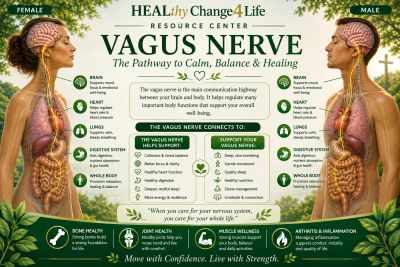
Vegus Nerve
What is the vagus nerve and what does it do?
The vagus nerve is one of the major nerves connecting the brain with organs throughout the body. It plays an important role in automatic body functions such as heart rate, breathing, digestion, and the body's rest-and-recovery response. Learning about the vagus nerve can help you better understand the connection between your brain, nervous system, and overall wellness.
How does the vagus nerve connect my brain and body?
The vagus nerve travels from the brainstem through the neck and into the chest and abdomen, communicating with organs including the heart, lungs, and digestive system. This communication helps the brain receive information from the body and regulate many automatic functions.
Can the vagus nerve affect my heart, breathing, and digestion?
The vagus nerve helps regulate several automatic functions involving the heart, lungs, and digestive system. Its widespread connections are one reason the nervous system is closely connected with cardiovascular, respiratory, and digestive wellness.
How does stress affect the vagus nerve and nervous system?
Stress activates the body's stress-response systems, while parasympathetic activity—including signaling through the vagus nerve—helps the body return toward a resting state. Learning about this relationship can help you understand why stress management and recovery are important parts of nervous system wellness.
What can I do to support healthy vagus nerve function?
Healthy habits that support overall nervous system wellness include regular physical activity, quality sleep, balanced nutrition, stress management, relaxation practices, and slow, comfortable breathing exercises. These practices support overall well-being rather than treating a specific vagus nerve condition.
Fibromyalgia & Chronic Pain

Fibromyalgia & Chronic Pain
Why do I hurt all over my body
Widespread pain can have many possible contributors, including fibromyalgia, arthritis, nerve conditions, injuries, autoimmune conditions, sleep problems, stress, and other health conditions. Learning about chronic pain can help you better understand the many factors that may influence how you feel.
Why am I always tired even after sleeping
Persistent fatigue is common with many chronic health conditions and may be influenced by sleep quality, pain, stress, medications, physical activity, and overall health. Learning about fibromyalgia and chronic pain can help you understand the connection between pain, fatigue, and recovery.
Why do I have brain fog and trouble concentrating
Difficulty with memory, focus, and concentration can occur with chronic pain, poor sleep, stress, medications, and many other health conditions. Learning about fibromyalgia and chronic pain can help you better understand how pain may affect cognitive function.
Why do my muscles and joints ache so much
Muscle and joint discomfort may have many possible contributors, including overuse, arthritis, fibromyalgia, inflammation, injuries, and other health conditions. Understanding chronic pain can help you learn about the many factors that influence musculoskeletal health.
What can I do to support my quality of life with chronic pain
Healthy lifestyle habits such as gentle physical activity, quality sleep, balanced nutrition, stress management, pacing daily activities, and working with your healthcare provider can help support overall well-being and quality of life while living with chronic pain.
Cancer Wellness
Cancer Wellness
How can I support my health during or after cancer
Cancer affects each person differently, and your needs may change over time. Learning about cancer wellness can help you explore healthy lifestyle habits that support your overall well-being and quality of life alongside your medical care.
Why am I so tired all the time
Fatigue can be influenced by cancer itself, treatments, stress, sleep, nutrition, medications, and many other factors. Understanding cancer wellness can help you learn about everyday habits that may support energy and recovery.
How can healthy lifestyle habits improve my quality of life
Healthy lifestyle habits such as balanced nutrition, regular movement, quality sleep, stress management, and emotional support may help improve overall well-being during and after cancer treatment. Learning about cancer wellness can help you make informed choices alongside your healthcare team.
Why is my emotional health important during my cancer journey
A cancer diagnosis can affect emotional, mental, physical, and spiritual well-being. Learning about cancer wellness can help you understand the importance of emotional support, resilience, and maintaining quality of life throughout your journey.
What can I do to support my overall wellness during my cancer journey
Working closely with your healthcare team, maintaining healthy lifestyle habits, staying physically active as appropriate, eating well, managing stress, seeking support, and caring for your emotional well-being can all contribute to a better quality of life.
Diabetes & Pre-Diabetes

Diabetes & Pre-Diabetes
Why is my blood sugar high
Blood sugar levels can be influenced by nutrition, physical activity, stress, sleep, medications, hormones, illness, and other health conditions. Learning about diabetes and pre-diabetes can help you better understand blood sugar and metabolic health.
What is the difference between diabetes and pre-diabetes
Pre-diabetes means blood sugar levels are higher than normal but not yet in the diabetes range. Learning about both conditions can help you understand risk factors, healthy lifestyle habits, and the importance of early awareness.
Why do I feel thirsty all the time
Increased thirst can have many possible contributors, including dehydration, diabetes, medications, kidney conditions, and other health issues. Learning about diabetes and pre-diabetes can help you understand why blood sugar balance is important.
Why do I have numbness or tingling in my hands or feet
Numbness or tingling may have many possible causes, including diabetes, nerve conditions, vitamin deficiencies, medications, and other health conditions. Learning about diabetes can help you understand how long-term blood sugar management supports nerve health.
What can I do to support healthy blood sugar
Healthy lifestyle habits such as balanced nutrition, regular physical activity, quality sleep, stress management, maintaining a healthy weight, and working with your healthcare provider all support healthy blood sugar and overall metabolic wellness.
Celiac Disease & Gluten

Celiac Disease & Gluten
What is the difference between celiac disease and gluten sensitivity
Celiac disease is an autoimmune condition triggered by gluten, while non-celiac gluten sensitivity involves symptoms related to gluten without the same autoimmune response. Learning about both can help you better understand their differences and the importance of an accurate diagnosis.
Why do I feel sick after eating foods with gluten
Feeling unwell after eating gluten may have many possible causes, including celiac disease, non-celiac gluten sensitivity, wheat allergy, digestive conditions, or other health concerns. Learning about gluten-related conditions can help you better understand these possibilities.
Why do I have ongoing digestive problems
Digestive symptoms such as bloating, diarrhea, constipation, abdominal pain, or gas can have many possible contributors, including gluten-related disorders, food intolerances, digestive diseases, stress, medications, and other health conditions. Learning about digestive wellness can help you understand these connections.
Why is celiac disease important to diagnose
Untreated celiac disease can affect nutrient absorption and may increase the risk of other health complications over time. Learning about celiac disease can help you understand why proper medical evaluation and diagnosis are important.
What can I do to support my health if I have celiac disease or gluten sensitivity
Following your healthcare provider's recommendations, learning how to read food labels, preventing cross-contact, choosing balanced gluten-free foods when appropriate, and maintaining healthy lifestyle habits can support your long-term health and quality of life.
Inflammation

Inflammation
What is inflammation
Inflammation is your body's natural response to injury, infection, or irritation. While short-term inflammation helps the body heal, ongoing inflammation may be associated with a variety of health conditions and lifestyle factors.
Why do I have pain and swelling
Pain and swelling can have many possible contributors, including injuries, arthritis, autoimmune conditions, infections, repetitive strain, and other health conditions. Learning about inflammation can help you better understand why these symptoms occur.
Can inflammation affect my whole body
Yes. Inflammation can influence many body systems, including the heart, joints, digestive system, brain, lungs, skin, and immune system. Understanding inflammation helps explain why healthy lifestyle habits are important for overall wellness.
What causes chronic inflammation
Chronic inflammation may be influenced by underlying medical conditions, excess body weight, smoking, poor sleep, chronic stress, nutrition, physical inactivity, infections, and other factors. Learning about inflammation can help you understand the many contributors to long-term health.
What can I do to support a healthy inflammatory response
Healthy lifestyle habits such as eating a balanced diet, staying physically active, getting quality sleep, managing stress, maintaining a healthy weight, and working with your healthcare provider all support overall wellness and a healthy inflammatory response.
ADHD/ ADD

ADHD & ADD
What is the difference between ADHD and ADD
ADHD is a neurodevelopmental condition that affects attention, focus, organization, and self-regulation. While the term ADD is still commonly used, it is now considered part of ADHD. Learning about ADHD can help you better understand how it affects daily life.
Why is it so hard for me to focus
Difficulty focusing can be influenced by ADHD, sleep quality, stress, emotions, medications, hormone changes, nutrition, and other health conditions. Learning about ADHD can help you understand the many factors that influence attention and concentration.
Why do I forget things so easily
Forgetfulness may be related to attention, working memory, stress, poor sleep, brain overload, ADHD, or other health conditions. Understanding ADHD can help explain why organization and memory may be challenging for some people.
Why do I feel restless or overwhelmed
Restlessness and feeling overwhelmed may be influenced by ADHD, stress, emotional regulation, sleep, sensory input, and everyday demands. Learning about ADHD can help you understand healthy ways to manage these challenges.
What can I do to support my focus and daily routines
Healthy lifestyle habits such as quality sleep, balanced nutrition, regular physical activity, structured routines, stress management, and working with your healthcare provider can support attention, organization, and overall quality of life.
Autism

Autism
What is autism
Autism is a neurodevelopmental condition that affects how a person communicates, interacts with others, processes information, and experiences the world. Learning about autism can help you better understand the strengths and challenges that vary from person to person.
Why does my child have sensory sensitivities
Some people with autism experience increased sensitivity to sounds, lights, textures, smells, or touch. Understanding autism can help explain how sensory processing may affect everyday life.
Why does my child prefer routines
Many people with autism thrive with predictable routines and familiar environments. Learning about autism can help you understand how structure and consistency may support daily functioning.
Why are eating and sleep sometimes difficult
Sleep challenges and selective eating are common concerns for some individuals with autism. These challenges may be influenced by sensory preferences, routines, anxiety, digestive concerns, or other health factors. Learning about autism can help you better understand these everyday experiences.
What can I do to support someone with autism
Supportive environments, consistent routines, healthy lifestyle habits, family involvement, and working with healthcare and educational professionals can help improve quality of life while respecting each person's individual strengths and needs.
Arthritis

Arthritis
Why do my joints hurt
Joint pain can have many possible contributors, including osteoarthritis, rheumatoid arthritis, injuries, overuse, inflammation, aging, and other health conditions. Learning about arthritis can help you better understand joint health.
Why are my joints stiff in the morning
Morning stiffness may be influenced by arthritis, inflammation, inactivity, injuries, or other musculoskeletal conditions. Learning about arthritis can help explain why stiffness occurs.
Why do my joints swell
Joint swelling can result from inflammation, injury, arthritis, infection, or other health conditions. Understanding arthritis can help you learn about the many factors that affect joint health.
Why is it becoming harder to move
Reduced mobility may be influenced by pain, joint damage, muscle weakness, inflammation, aging, or other health conditions. Learning about arthritis can help you better understand movement and joint function.
What can I do to support healthy joints
Healthy lifestyle habits such as regular movement, maintaining a healthy weight, balanced nutrition, quality sleep, stress management, and working with your healthcare provider can support joint health and quality of life.
Bone & Joint Health

Bone & Joint Health
Why do my joints hurt
Joint pain can have many possible contributors, including osteoarthritis, rheumatoid arthritis, injuries, overuse, inflammation, aging, and other health conditions. Learning about arthritis can help you better understand joint health.
Why are my joints stiff in the morning
Morning stiffness may be influenced by arthritis, inflammation, inactivity, injuries, or other musculoskeletal conditions. Learning about arthritis can help explain why stiffness occurs.
Why do my joints swell
Joint swelling can result from inflammation, injury, arthritis, infection, or other health conditions. Understanding arthritis can help you learn about the many factors that affect joint health.
Why is it becoming harder to move
Reduced mobility may be influenced by pain, joint damage, muscle weakness, inflammation, aging, or other health conditions. Learning about arthritis can help you better understand movement and joint function.
What can I do to support healthy joints
Healthy lifestyle habits such as regular movement, maintaining a healthy weight, balanced nutrition, quality sleep, stress management, and working with your healthcare provider can support joint health and quality of life.
Environmental Wellness

Environmental Wellness
Environmental Wellness
How does my environment affect my health?
Your environment can influence your physical, mental, and emotional well-being every day. Learning about environmental wellness can help you understand how your surroundings support overall health and quality of life.
How can I create a healthier home?
Indoor air quality, drinking water, household products, mold prevention, ventilation, and home safety all contribute to a healthier living environment. Understanding these factors can help you make informed choices for yourself and your family.
Can my environment expose me to harmful germs, parasites, or insects?
Environmental exposures can include parasites, ticks, mosquitoes, contaminated food or water, and other environmental hazards. Learning about these exposures can help you understand practical prevention and everyday safety.
How do air, water, and pollution affect my health?
The quality of the air you breathe and the water you drink can influence many aspects of your health. Learning about environmental factors can help you reduce unnecessary exposures and support overall wellness.
How can nature support my health and well-being?
Spending time outdoors, enjoying green spaces, practicing sun safety, and preparing for changing weather can all support a healthy lifestyle while helping you stay safe in your environment.
What everyday choices can help reduce environmental exposures?
Small daily choices—such as using household products safely, improving indoor air quality, practicing good hygiene, preventing mold, and maintaining a clean home—can help create a healthier environment.
What can I do to support environmental wellness every day?
Healthy environmental habits, combined with informed lifestyle choices, can help create safer surroundings for you, your family, and your community while supporting lifelong health and quality of life.
Mitochondria Health

Mitochondria Health
Why am I always tired?
Fatigue can have many possible contributors, including sleep, stress, nutrition, physical activity, medications, hormone changes, underlying health conditions, and how efficiently your cells produce energy. Learning about mitochondria can help you better understand your body's energy production.
What are mitochondria and what do they do?
Mitochondria are often called the "powerhouses" of the cell because they convert nutrients into the energy your body needs to support nearly every cell and organ. Learning about mitochondria can help you understand their role in overall health and wellness.
Can my mitochondria affect my whole body?
Yes. Because nearly every cell relies on mitochondria to produce energy, they support many body systems, including the brain, heart, muscles, immune system, metabolism, and healthy aging. Understanding these connections helps explain why cellular energy is important for overall wellness.
What affects healthy mitochondrial function?
Mitochondrial function may be influenced by physical activity, nutrition, sleep, stress, aging, environmental factors, medications, and certain health conditions. Learning about these factors can help you understand how lifestyle choices support cellular health.
What can I do to support healthy mitochondria?
Healthy lifestyle habits such as balanced nutrition, regular physical activity, quality sleep, stress management, avoiding tobacco, and working with your healthcare provider can help support healthy cellular energy production and overall quality of life.